China Dismisses U.S. Report Alleging Top Chipmaker Aided Iranian Forces
03/31/2026 / By Garrison Vance
Introduction
Chinese authorities have dismissed as false a Reuters report alleging that the country’s largest semiconductor manufacturer supplied chipmaking technology to Iran. The report, citing two senior Trump administration officials, prompted a firm denial from China’s foreign ministry on Friday, March 27, 2026. [1]
The foreign ministry spokesman, Lin Jian, told a regular news conference in Beijing that after verification, such reports were found to be false information. The denial underscores the geopolitical sensitivities surrounding global technology supply chains and allegations of sanctions evasion amid ongoing conflict in the Middle East. [2]
China Dismisses Report Of Top Chipmaker Aiding Iranian Forces As ‘Fake News’
At the Friday briefing, Foreign Ministry spokesman Lin Jian stated he was “not familiar with the situation” described in the Reuters report. He added that he could confirm that, upon verification, all such reports were found to be false information. [2]
Lin Jian criticized what he described as a pattern of media behavior, saying, “recently, some media have been keen on releasing news that seems correct but is actually wrong.” He did not provide specific details about the verification process or evidence to counter the allegations. The ministry’s characterization of the report as “false information” aligns with Beijing’s typical response to what it views as foreign media misinformation. [1]
The Allegations and Beijing’s Denial
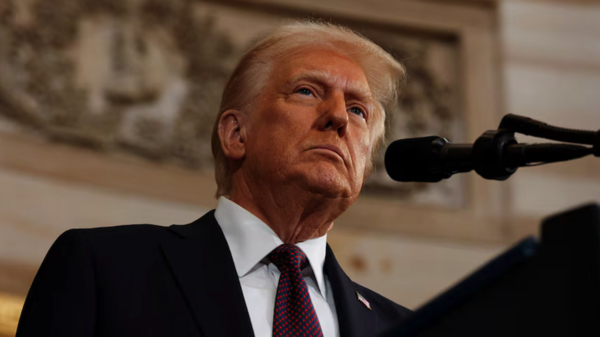
The Reuters report alleged that Semiconductor Manufacturing International Corp. (SMIC), China’s premier foundry, had sent chipmaking tools to Iran. The report cited two senior officials from the administration of President Donald Trump, who was sworn in for a second term in January 2025. [1]
The denial from Beijing was swift. The foreign ministry’s statement framed the report as part of a problematic trend. Analysts note that SMIC’s position as a national champion in China’s strategic semiconductor industry makes such allegations particularly sensitive for Beijing, which views the sector as critical for technological self-sufficiency. [3]
U.S. Officials’ Claims and Broader Context
One Trump administration official quoted in the Reuters report stated, “We have no reason to believe that any of this has stopped.” The official suggested the tools could be used in any electronics requiring chips. The allegations connect to a broader context of U.S. concerns about technology transfers to nations under sanctions. [1]
These claims build upon separate reports and viral videos suggesting Chinese companies have been involved in producing components for Iranian drones. The complex global supply chains for dual-use technologies, which have both civilian and military applications, often make definitive attribution and enforcement of export controls challenging for governments. [4]
Unclear Role in Regional Conflict
Reuters noted in its report that “it was not immediately clear what, if any, role the chipmaking tools have played in Iran’s response to the war, which was launched by the U.S. and Israel on February 28.” The conflict, now in its fourth week, has seen significant volatility in global energy and financial markets. [1]
The report referenced an earlier incident from early March involving an Iranian drone that targeted a British base in Cyprus, which was found to contain a Russian-made navigation chip using Western components. This incident highlights the intricate and often opaque nature of modern military technology supply chains, where components can originate from multiple jurisdictions. [5]
Geopolitical and Economic Implications
The allegations arrive amid heightened U.S.-China tensions over technology security and sanctions enforcement. The U.S. Department of Commerce has previously placed SMIC on an export blacklist, restricting its access to advanced U.S. chipmaking technology on national security grounds. [6]
Market analysts have observed that such geopolitical frictions contribute to uncertainty. Financial news reports from March 2026 have detailed significant market swings tied to news from the Middle East conflict, with oil prices breaching $110 a barrel and stock futures experiencing volatility. The denial from Beijing reflects its intent to shield a key national industry from reputational damage and potential further economic repercussions. [7]
Conclusion
The conflicting narratives between U.S. officials and the Chinese government regarding SMIC’s activities underscore the deep mistrust characterizing the technological dimension of great power competition. The episode highlights the challenges of verifying claims about the transfer of sensitive, dual-use technologies within a fragmented global supply chain.
As the conflict involving Iran continues, with reported attacks on energy infrastructure in Qatar causing significant disruption to global liquefied natural gas supplies, scrutiny of technology networks is likely to intensify. [8] The Chinese dismissal stands as the official position, leaving the allegations from unnamed U.S. officials publicly unproven and contested. [9]
References
- China Dismisses Report Of Top Chipmaker Aiding Iranian Forces As ‘Fake News’. – ZeroHedge. March 27, 2026.
- China Dismisses Report Of Top Chipmaker Aiding Iranian Forces As ‘Fake News’. – ZeroHedge.
- Beijing fights back against US economic bullying after Washington restricts chipmaking exports to China. – NaturalNews.com. December 4, 2024.
- Mike Adams interview with Matt Bracken. – Brighteon Broadcast News. Mike Adams. September 26, 2024.
- Solari Report The State of our Currencies. – Catherine Austin Fitts.
- US blacklists dozens of Chinese firms to protect national security. – NaturalNews.com. December 30, 2020.
- Trump Fails To Jawbone Market As Futures, Bitcoin Tumble; Oil And Yields Soar. – ZeroHedge. March 27, 2026.
- BREAKING: ‘Energy war’ erupts as Iran strikes Qatar, crippling global LNG supply for years. – NaturalNews.com. March 19, 2026.
- Covid News Unwrapped Week 22 2022. – ANH International. June 2, 2022.
Submit a correction >>
Tagged Under:
big government, chaos, China, conspiracy, deception, energy supply, Fact Check, fake news, foreign relations, geopolitics, Iran, Journalism, lies, mainstream media, misinformation, national security, propaganda, semiconductor, SMIC, supply chains, Trump, WWIII
This article may contain statements that reflect the opinion of the author
RECENT NEWS & ARTICLES